The Future of Diamonds: A Smarter Sparkle in Modern Jewelry
The world of diamonds is changing faster than ever. For centuries, people have valued diamonds for their beauty, strength, and as a symbol of love. But today, technology and changing values are reshaping this sparkling industry. The future of diamonds is no longer just about what comes from deep underground.
It’s about smarter choices, new technologies, and a shift in what people want and expect from their jewelry.
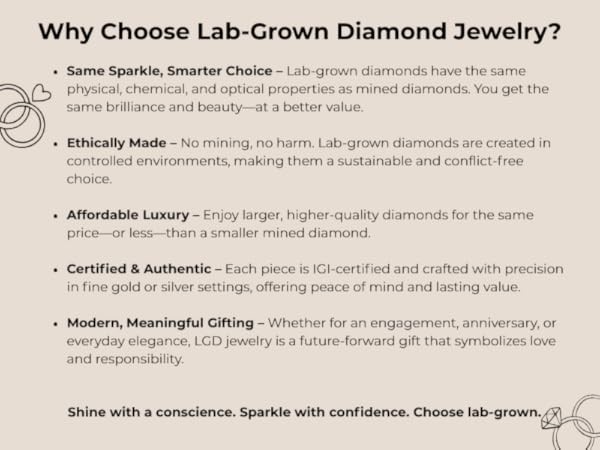
Many consumers now care about the story behind their diamonds. They want to know where their gems come from, how they impact the planet, and whether they support fair practices. In countries like New Zealand, the rise of lab grown diamonds NZ is giving buyers a choice that was almost unthinkable twenty years ago. These diamonds are real, but they are made above ground, not mined. They often cost less and have a smaller environmental footprint. This makes them attractive to younger shoppers who want luxury but also care about the world.
Across the globe, including in the lab grown diamonds UK market, we see similar changes. Young couples, tech lovers, and ethical shoppers are turning away from traditional mined diamonds. They’re seeking smarter, more sustainable sparkle that fits their values. This movement is not just a trend; it’s a sign that the diamond industry is entering a new era where technology, ethics, and personal meaning matter as much as brilliance and cut.
The Evolution Of Diamonds
Diamonds were once considered rare miracles of nature. They formed deep within the earth under intense heat and pressure over millions of years. Miners would search for them in remote regions, sometimes under dangerous conditions. For much of the 20th century, a few big companies controlled the supply, keeping prices high and demand strong.
But the diamond story has changed. The rise of synthetic diamonds—crystals grown in labs—has disrupted the old ways. These are not fake stones; they are chemically and physically identical to mined diamonds. The only difference is how and where they are made.
The Shift Toward Sustainability
As people become more aware of the environment, the diamond industry faces new questions. Traditional mining can damage land, use lots of water, and sometimes cause pollution. There are also concerns about “conflict diamonds”—stones mined in war zones and sold to fund violence.
Lab grown diamonds offer a solution. They use less land and water, and their carbon footprint can be much lower. For example, a 2022 report found that lab grown diamonds use up to 85% less water and 50% less energy than mined diamonds of similar size.
Some companies use renewable energy in their labs, further reducing their impact.
Changing Social Values
Diamonds are still a symbol of love and success, but what people value is changing. Many consumers want traceability—to know exactly where their diamond comes from. They care about fair wages, safe working conditions, and the effect their purchase has on others.
Younger buyers, especially Millennials and Gen Z, are leading this shift. They are more likely to ask tough questions about ethics and sustainability. According to a 2023 survey by Bain & Company, over 60% of diamond buyers under 35 consider environmental and social factors when choosing a stone.
The Rise Of Lab Grown Diamonds
Lab grown diamonds are at the heart of the smarter sparkle movement. These gems are made using advanced technologies that mimic the natural process of diamond formation, but in a controlled lab setting.
How Are Lab Grown Diamonds Made?
There are two main methods:
- High Pressure High Temperature (HPHT): This method uses intense heat and pressure to turn carbon into diamond, just like in nature.
- Chemical Vapor Deposition (CVD): This process grows diamonds layer by layer from a carbon-rich gas. It allows for more control and often results in high-quality stones.
Both methods create real diamonds—not imitations like cubic zirconia or moissanite.
Are Lab Grown Diamonds “real” Diamonds?
Yes. Lab grown diamonds have the same hardness, brilliance, and structure as mined diamonds. Even expert jewelers need special tools to tell them apart. The only difference is their origin.
Benefits Of Lab Grown Diamonds
- Cost: Lab diamonds are usually 30–40% cheaper than mined ones of similar size and quality.
- Ethics: They do not fund conflict or use child labor.
- Environment: They require less land, water, and often produce fewer emissions.
- Variety: Labs can make colored diamonds—like pink, blue, or yellow—often at a lower cost than rare natural colors.
Global Growth
The market for lab grown diamonds is booming. In 2016, less than 2% of all diamonds sold were lab made. By 2023, this number rose to over 10%. Major jewelry retailers now offer both types. The US, UK, China, and New Zealand have seen especially strong growth.
Below is a comparison of mined and lab grown diamonds:
| Aspect | Mined Diamonds | Lab Grown Diamonds |
| Origin | Earth-mined | Laboratory-created |
| Price | Higher | 30-40% lower |
| Environmental Impact | Higher | Lower |
| Traceability | Often limited | Highly traceable |
| Physical Properties | Identical to lab diamonds | Identical to mined diamonds |
Technology’s Role In The Diamond Industry
Technology is not just making new diamonds; it’s changing every part of the business, from mining to sales.
Advanced Mining Techniques
Modern diamond mining uses satellite imaging, drones, and AI to find new sources more safely and efficiently. These tools reduce waste and help companies avoid damaging sensitive environments.
Blockchain And Diamond Traceability
Blockchain is a secure digital record system. Some diamond companies use it to track each stone from the mine or lab to the final sale. This makes it much harder for conflict diamonds to enter the market and builds trust with buyers.
Online Shopping And Customization
Buying diamonds used to mean visiting a jewelry store. Now, people shop online, compare prices, and design their own rings from home. Augmented reality lets customers “try on” rings using their phones. Some websites show a 3D view of the diamond, so buyers can check every detail before buying.
A key example: In 2022, over 35% of engagement rings in the US were bought online—a big change from just a decade ago.
Consumer Preferences: What Today’s Buyers Want
The diamond market is more diverse than ever. People want gems that fit their values, style, and budget.
Ethics And Transparency
Buyers want to know:
- Where their diamond was made or mined
- That no one was harmed in the process
- That the environment was protected
Retailers now offer certificates showing a diamond’s journey. Some brands publish detailed sustainability reports.
Personalization And Story
A diamond is no longer just a gift; it’s a story. Many people want to design their own rings, engrave special messages, or choose unique colored stones. Some couples even visit diamond labs to see their gem being made.
Affordability And Value
High prices once kept diamonds out of reach for many. Lab grown stones make larger, higher-quality gems possible for more people. This means bigger sparkle without a bigger price tag.
Fashion Trends
Trends change quickly. Right now, vintage styles, colored diamonds, and stackable rings are popular. Some buyers choose “non-traditional” stones like salt-and-pepper diamonds, which have natural inclusions and a unique look.
Environmental Impact: A Closer Look
Diamonds have a long history, but not all of it is beautiful. Mining can cause real harm to nature. People are now asking: Can diamonds be truly ethical and green?
Mining’s Environmental Footprint
Traditional diamond mining often means:
- Digging up large areas of land
- Using lots of water
- Producing waste and pollution
For example, to mine a one-carat diamond, up to 250 tons of earth may be moved. This can damage ecosystems and harm wildlife.
Lab Grown Diamonds: The Greener Choice?
While lab grown diamonds are not 100% impact-free (they use energy, especially electricity), their footprint is often much lower. Some labs use solar or wind power to grow diamonds. A 2021 study found that lab grown diamonds can produce 25 times less carbon dioxide than mined diamonds of the same size.
However, not all labs are equal. Some use fossil fuels, which increases their impact. Smart buyers should check for third-party certifications or ask about the lab’s energy sources.
Recycling And Second-hand Diamonds
Another smart option is buying recycled or vintage diamonds. These stones do not require new mining or energy use. They also have a story and character that new gems may lack.
The Economics Of Diamonds: Value And Investment
Diamonds have long been seen as a store of value—a way to hold wealth or mark important moments. But is this still true in the era of smarter sparkle?
Pricing Trends
Natural diamond prices have been steady or rising for decades. But in the last five years, lab grown diamonds have caused prices for some mined stones to fall, especially for smaller or lower-quality gems.
According to Rapaport, the price of a one-carat lab grown diamond fell by over 50% from 2016 to 2023, making them more affordable for consumers.
Investment Value
Mined diamonds, especially rare or large stones, can still hold or grow in value. Lab grown diamonds, however, often lose value after purchase because they are easier to make and supply is growing.
If you want a diamond as an investment, natural stones with rare features (like color or clarity) are a better choice. For beauty, meaning, or everyday wear, lab grown diamonds offer great value.
Resale Market
The resale value of diamonds depends on the type, quality, and market trends. Mined diamonds usually keep more value, but lab grown stones are closing the gap as they become more accepted.
| Diamond Type | Initial Price | Resale Value After 5 Years |
| Mined Diamond | High | 60-70% of initial price |
| Lab Grown Diamond | Lower | 20-40% of initial price |
The Role Of Certification And Grading
Whether a diamond is mined or lab grown, buyers should always ask for a grading report from a trusted lab.
Leading Grading Labs
- GIA (Gemological Institute of America)
- IGI (International Gemological Institute)
- HRD Antwerp
These labs check for cut, color, clarity, and carat weight—the “4 Cs. ” They also note if a diamond is lab grown or natural.
Why Certification Matters
A grading report proves what you are buying. It protects you from fraud and helps with insurance or resale. It also gives peace of mind that your gem was sourced responsibly.
The Smart Shopper’s Guide To Buying Diamonds
Choosing a diamond is a big decision. Here are some tips for making a smart, future-ready choice:
- Decide What Matters Most: Is it size, quality, ethics, or price? Lab grown diamonds offer great value and low impact; mined diamonds may hold value better.
- Check Certification: Always buy stones with a trusted grading report.
- Ask About Origin: For mined stones, ask about the country and mine. For lab grown, ask about the lab and energy sources.
- Compare Prices: Shop around. Online retailers often have lower prices and more choices.
- Consider Alternatives: Vintage or recycled diamonds are both ethical and unique.
- Look for Guarantees: Good retailers offer returns, exchanges, and warranties.
- Don’t Forget the Setting: The ring or pendant is as important as the stone.
The Future: What’s Next For Diamonds?
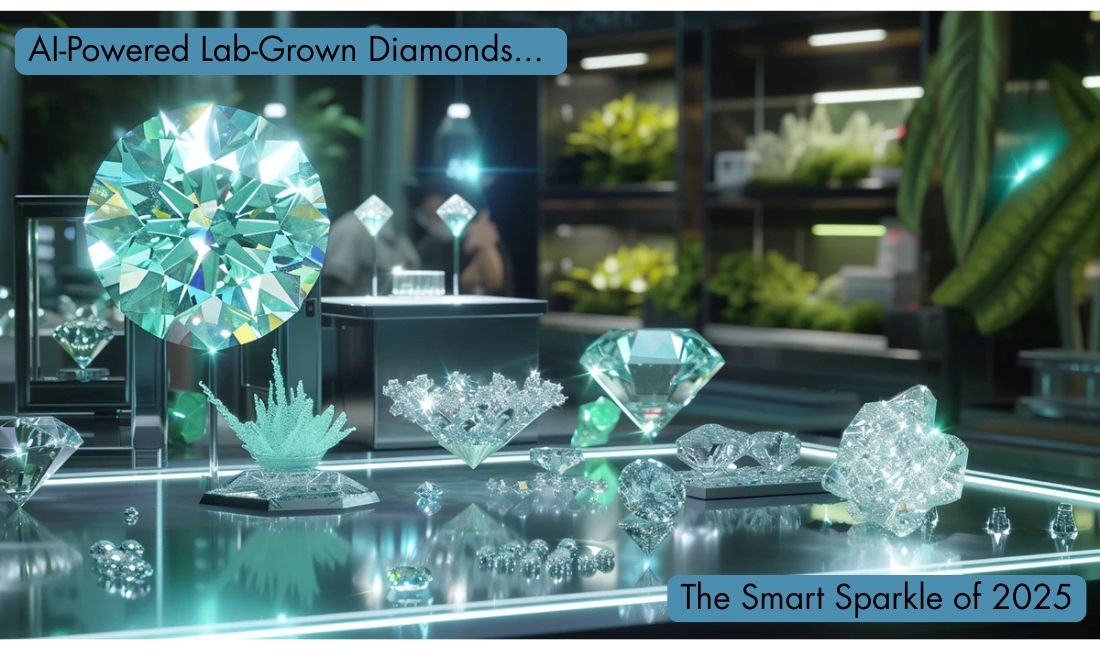
The diamond industry is at a turning point. New technology, changing values, and the rise of lab grown gems are all shaping the future.
Innovation In Diamond Creation
Some labs are now growing perfectly colorless diamonds that are almost impossible to find in nature. Others create diamonds for use in electronics, medicine, and even quantum computers, showing that diamonds are more than just jewels.
More Sustainable Practices
Expect more companies to use renewable energy, recycle water, and restore land after mining. The “green diamond” will soon be a key selling point.
Greater Transparency
Blockchain and digital tracking will make it easy to see every step of your diamond’s journey. This will build trust and help eliminate unethical practices.
New Cultural Values
As the meaning of luxury changes, diamonds may become more about personal story and less about price or size. People will choose gems that match their values, not just traditions.
Global Reach
Countries like India, China, and the UK are investing in diamond technology and design. The market for lab grown diamonds is growing fastest in Asia, while traditional markets like the US and Europe lead in ethical sourcing.
Non-obvious Insights For Future Diamond Buyers
- Lab grown diamond pricing is dropping quickly. Unlike gold or mined diamonds, lab grown stones may get cheaper as technology improves. If you want resale value, mined stones might be safer.
- Energy source matters for lab diamonds. Ask your jeweler if the lab uses renewable energy. This can make a big difference in the diamond’s carbon footprint.
- Mined diamonds can now be “recycled.” Some companies melt old jewelry and reset the stones, offering a low-impact alternative with history.
- Unique shapes and colors are easier with lab grown gems. If you want a rare pink or blue diamond, lab grown options are much more affordable and available.
- Digital tracking is making diamond fraud harder. Secure apps let you scan your diamond’s certificate and check its full history, adding peace of mind.
Frequently Asked Questions
What Is The Difference Between A Lab Grown Diamond And A Mined Diamond?
A lab grown diamond is made in a laboratory using high-tech methods, while a mined diamond is found in the earth. Both have the same chemical and physical properties. The main difference is their origin and the impact of their creation.
Are Lab Grown Diamonds Considered “real” Diamonds?
Yes, lab grown diamonds are real diamonds. They have the same hardness, sparkle, and structure as mined diamonds. Only experts with special tools can tell them apart.
Do Lab Grown Diamonds Cost Less Than Natural Diamonds?
Usually, yes. Lab grown diamonds are often 30–40% cheaper than mined diamonds of the same size and quality. This is because labs can make them more efficiently and there is less cost involved in mining and transport.
Are Lab Grown Diamonds Better For The Environment?
In most cases, lab grown diamonds have a lower environmental impact than mined diamonds. They use less land and water and can create fewer emissions, especially if made with renewable energy. However, their footprint depends on how the lab is powered.
Where Can I Learn More About Diamond Certification And Ethical Sourcing?
You can find more details on diamond grading and ethical sourcing at the Gemological Institute of America website, which is a trusted authority in the field.
The future of diamonds is bright, but also smarter and more responsible. Whether you choose a classic mined gem, a modern lab grown diamond, or a recycled vintage stone, you now have more ways than ever to find a sparkle that matches your values and your style.