Building Better Workplace Hygiene Through Everyday Habits
A workplace can look clean while still having areas that need more attention. Employees and visitors repeatedly touch doors, desks, kitchen appliances, washroom fixtures and shared equipment throughout the day. Good workplace hygiene therefore depends on more than an occasional deep clean.
For New Zealand businesses, the most practical approach is to make hygiene part of everyday operations. Well-maintained facilities, sensible cleaning routines and easy access to appropriate products can encourage better habits without making the working day unnecessarily complicated.
Begin With How People Use the Workplace
Before adding new products or procedures, it helps to understand how people actually move through a building. Entrances, kitchens, meeting rooms and washrooms usually experience different levels of traffic.
Observing these patterns can highlight areas that require more frequent attention. A busy reception area, for example, may have different hygiene needs from a storage room used by only a few employees.
Make Hand Cleaning Convenient
People are more likely to follow good habits when the facilities they need are easy to find and use. Soap dispensers that regularly run empty or facilities positioned far from busy areas can make consistent routines harder to maintain.
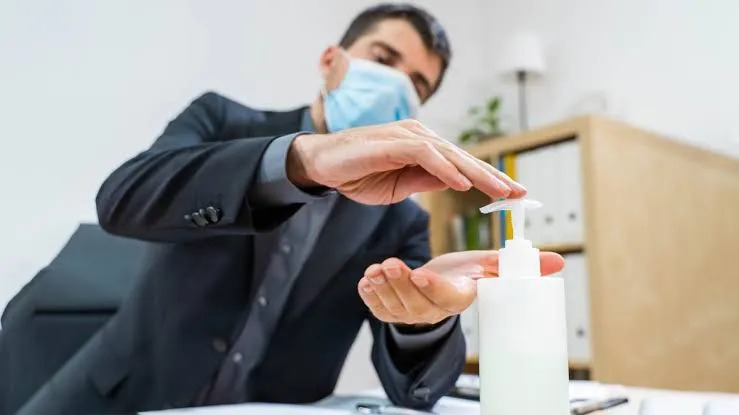
A practical approach to hand hygiene should consider convenience alongside communication. Washrooms need reliable supplies, while suitable facilities in other relevant areas can provide additional opportunities for people to clean their hands during the working day.
Give Shared Areas Extra Attention
Communal kitchens and break rooms are easy to overlook because they are not always viewed as part of a workplace hygiene programme. Yet these spaces contain many frequently touched items, including fridge handles, taps, cupboard doors, kettles and tables.
Shared desks and meeting rooms present similar considerations. Cleaning routines should reflect how frequently spaces and equipment are used rather than treating every part of the premises in the same way.
Look at the Workplace as a Complete System
Hygiene is broader than cleaning visible surfaces. Washroom management, waste disposal, hand-care facilities and other measures can all contribute to how comfortable and well maintained a workplace feels.
Professional hygiene services can form part of a wider facilities-management approach. The appropriate combination will depend on the size of the workplace, its activities, visitor numbers and the facilities already available on site.
Keep Washrooms Consistently Maintained
Employees notice quickly when washrooms are poorly maintained. Empty dispensers, overflowing waste containers or faulty equipment can create a negative impression and make good hygiene practices less convenient.
Regular inspections are more useful than waiting for someone to report a problem. Assigning responsibility for checks also helps ensure that restocking and maintenance do not become tasks that everyone assumes somebody else will handle.
Make Hygiene Expectations Easy to Understand
Complicated instructions are rarely necessary for routine workplace hygiene. Clear reminders placed where an action is expected can be more useful than lengthy notices that employees eventually stop reading.
New staff should also be introduced to relevant workplace procedures. This is particularly important where employees are responsible for shared facilities, waste handling or reporting damaged equipment.
Review Arrangements as the Business Changes
Workplace needs can change when employee numbers increase, departments move, or offices are refurbished. A hygiene arrangement designed for 20 employees may no longer work effectively when substantially more people use the same facilities.
Businesses can periodically review usage, supply levels and employee feedback. If certain dispensers repeatedly empty early or particular shared spaces become busier, servicing schedules and facility placement may need adjustment.
Conclusion
A hygienic workplace is created through consistent everyday practices rather than occasional attention. Convenient hand-cleaning facilities, well-managed washrooms, appropriate cleaning and reliable maintenance all contribute to an environment that is easier for employees and visitors to use.
For New Zealand organisations, the most effective approach is one that reflects how the workplace actually operates. By identifying busy areas, maintaining essential supplies and reviewing facilities as circumstances change, businesses can develop hygiene routines that remain practical rather than becoming another set of procedures that employees struggle to follow.